Golden Future Recycling Holds PET Recycling Awareness Event at Pakistan School Muscat
Muscat, Oman – 15 October 2026
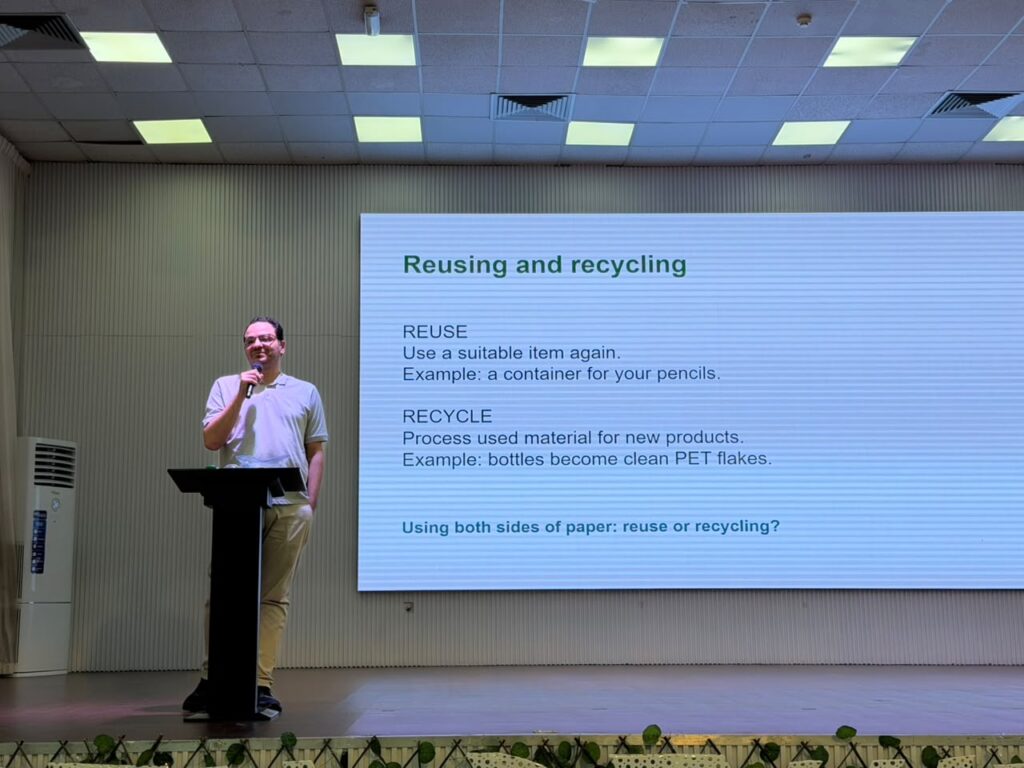
Golden Future Recycling LLC held a PET Recycling Awareness Event in Muscat on October 15, 2026.
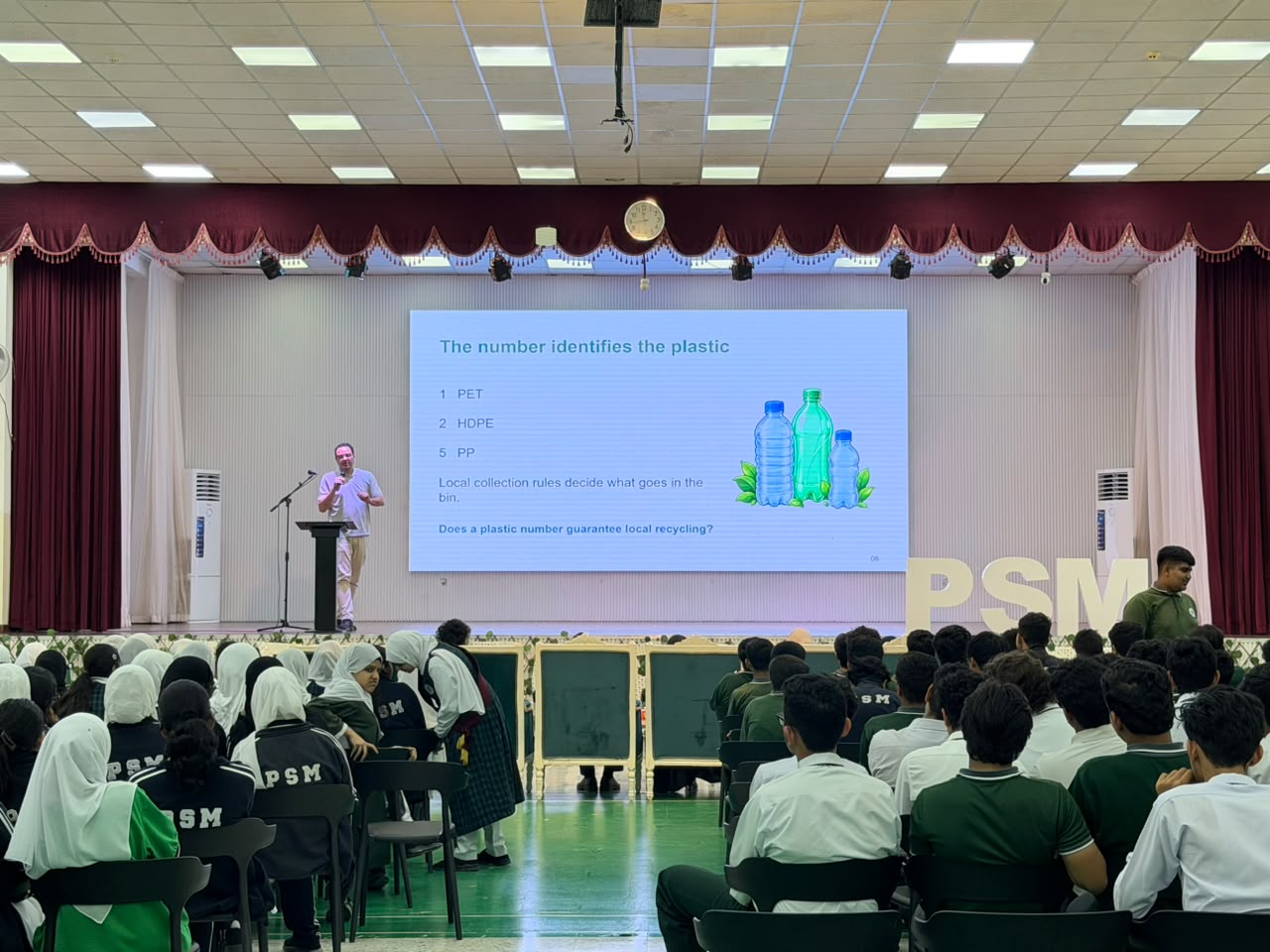
The event took place at Pakistan School Muscat. The event aimed to educate students about plastic recycling, environmental protection, sustainability, and the importance of responsible waste management.
Amir Bahman, representing Golden Future Recycling, led the educational session. The program introduced students to different types of plastic. It explained how recycling works. It also highlighted how PET recycling reduces waste and recovers valuable materials.
The session also encouraged students to take simple, practical steps to protect the environment at school and at home. It also urged them to help in their communities.
Through this initiative, Golden Future Recycling continued its efforts to promote environmental awareness and encourage responsible recycling practices among young people in Oman.
Promoting PET Recycling Awareness in Muscat
Environmental education is an important step towards building cleaner and more sustainable communities. Helping young people understand waste and recycling can encourage better habits that continue into adulthood.
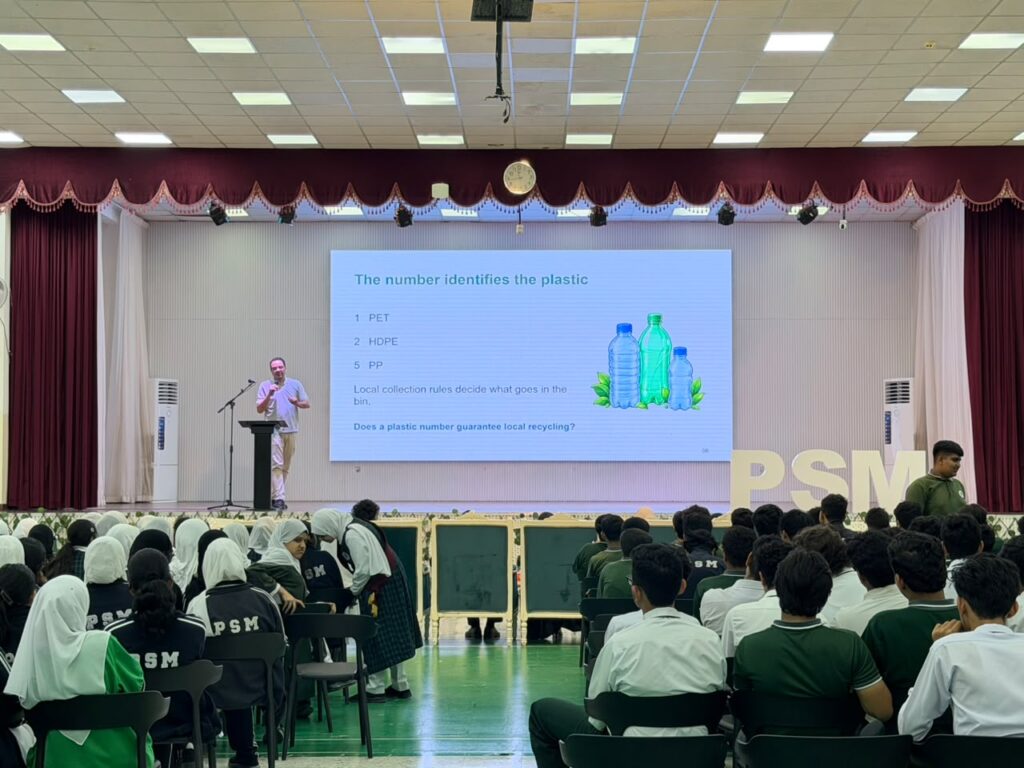
The PET Recycling Awareness Event was designed to make environmental topics easy for students to understand. Instead of focusing only on technical information, the session used everyday examples, questions, and interactive discussions.
Students learned how common plastic products are used in daily life and why different plastics require different recycling processes.
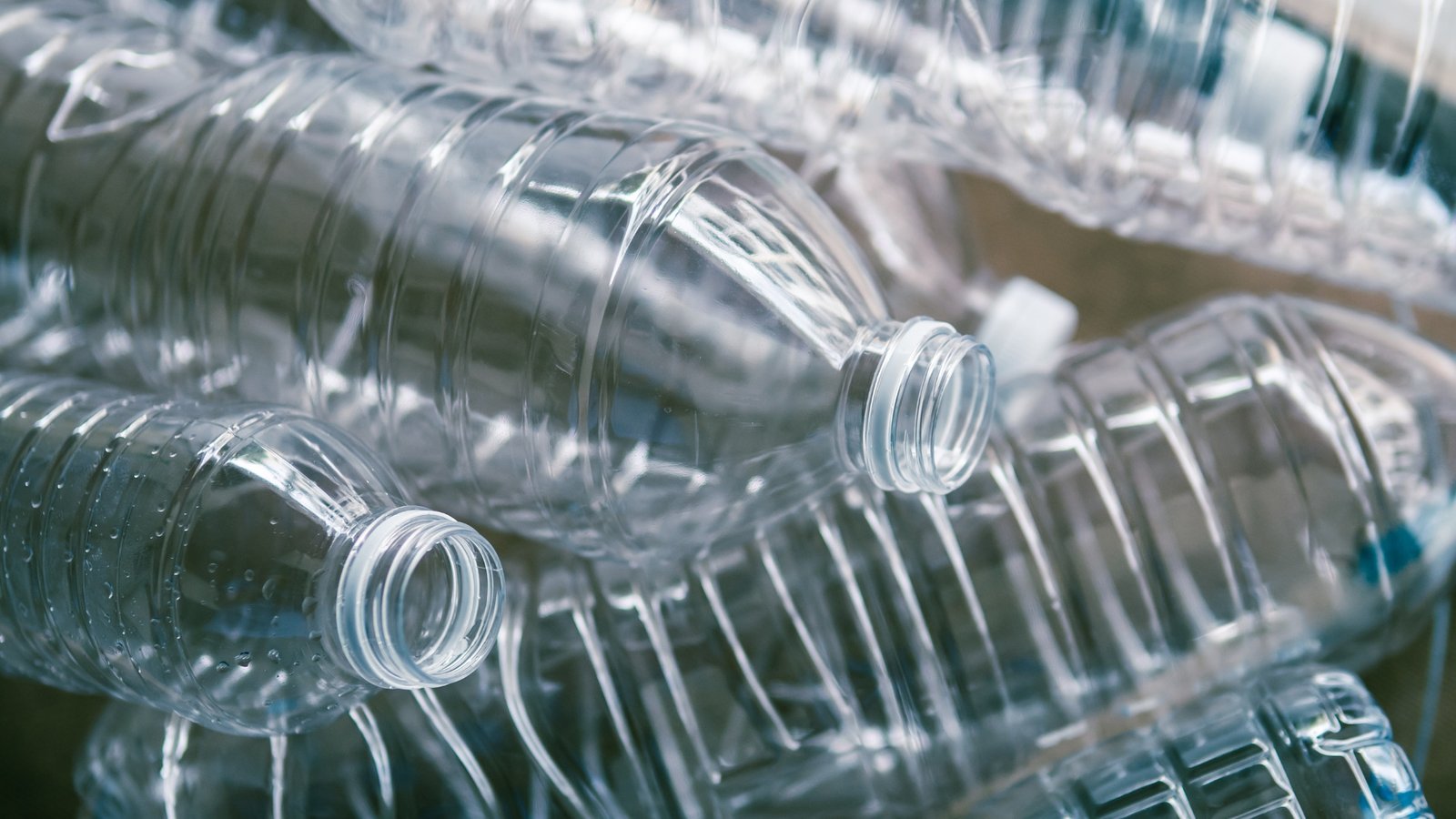
The programme also explained how a plastic bottle can become a useful raw material. It can be used instead of being thrown away after use.
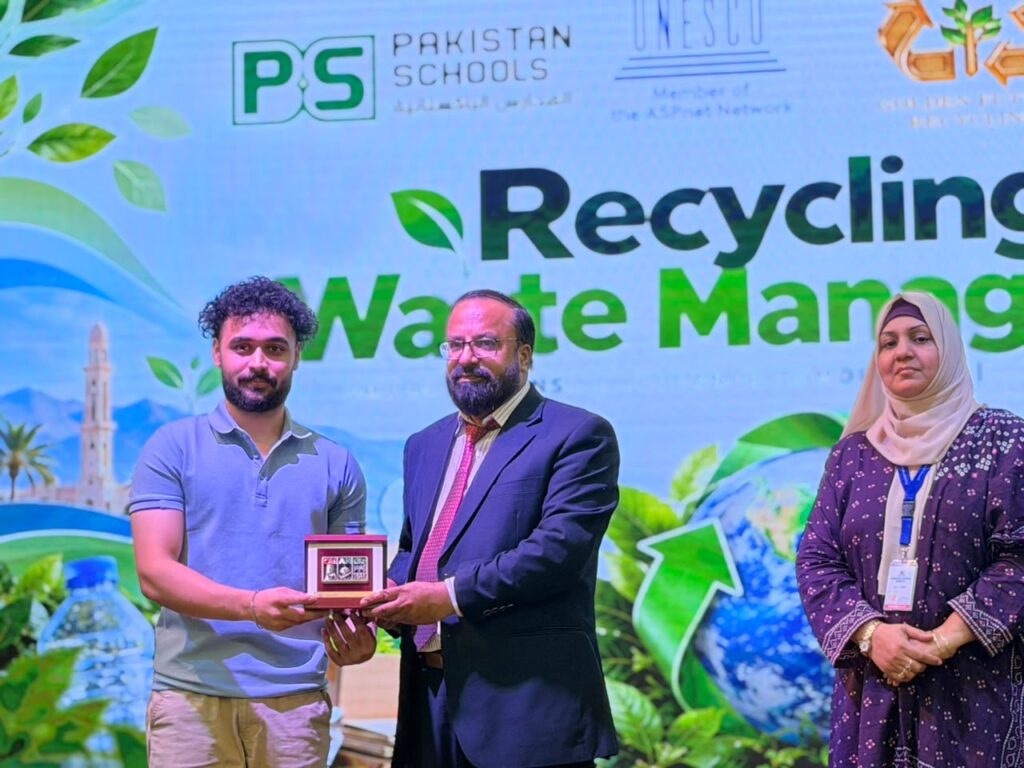
Amir Bahman thanked the Board Members, school management, teachers, and students of Pakistan School Muscat. He thanked them for welcoming Golden Future Recycling. He also thanked them for the chance to discuss recycling and sustainability.
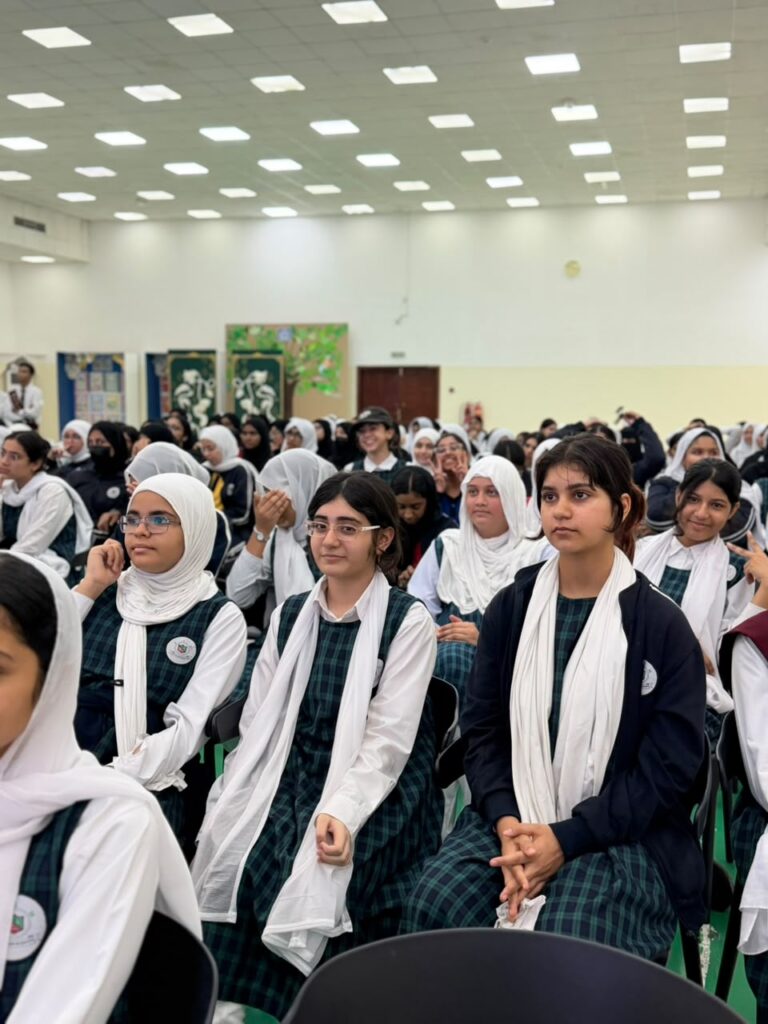
The session encouraged students to participate, share their ideas, and ask questions. This approach helped connect environmental knowledge with the decisions students make every day.
Understanding Different Types of Plastic
One of the main topics covered during the event was the difference between common types of plastic.
Plastic is widely used because it can be lightweight, strong, flexible, and affordable. However, not all plastic products are made from the same material.
Understanding these differences is important because each type of plastic may require a different recycling process.
Students were introduced to several common plastic types and their everyday uses.
These included:
- PET (Polyethylene Terephthalate): Commonly used for drinking water bottles, soft-drink bottles, and some food packaging.
- HDPE (High-Density Polyethylene): Often used for milk bottles, detergent bottles, and strong containers.
- PVC (Polyvinyl Chloride): Commonly found in water pipes and insulation around electrical cables.
- LDPE (Low-Density Polyethylene): Used for flexible plastic bags and films.
- LLDPE (Linear Low-Density Polyethylene): Often used in stretch film for wrapping goods.
- PP (Polypropylene): Used in many food containers, bottle caps, and some plastic chairs.
- PS (Polystyrene): Used in some foam packaging and disposable food containers.
- PC (Polycarbonate): Used in certain strong and transparent plastic products.
The presentation explained that students do not need to memorise every scientific name. Recognising common plastic products and understanding their differences is a useful first step.
Students also learned about the small numbers sometimes printed inside triangular symbols on plastic products.
For example, the number 1 identifies PET, number 2 identifies HDPE, and number 5 identifies PP.
However, the number alone does not guarantee that a particular recycling centre accepts the item. People should always follow the instructions provided by their local collection programme.
What Is Recycling and Why Does It Matter?
Another important part of the event focused on the meaning of recycling and its benefits.
Recycling is the process of collecting and processing used materials so they can become raw material for new products.
Instead of throwing away every used item, recycling helps save materials that can be processed and used again.
The session also explained the difference between reuse and recycling.
Reuse means using an item again without processing it into a new material. For example, a suitable container can be used to store pencils or stationery.
Recycling involves processing used material so that it can become raw material for manufacturing other products.
Both practices are important for reducing waste and making better use of available resources.
The presentation highlighted several benefits of recycling:
- Reducing the amount of waste that requires disposal.
- Recovering materials for use in manufacturing.
- Helping conserve natural resources.
- Supporting more efficient use of materials and energy.
- Reducing litter when combined with responsible waste management.
- Helping protect beaches, wadis, wildlife, and marine environments.
Students were encouraged to think about what happens when plastic waste is left on streets or in open areas.
Wind and rainwater can carry litter into drains, waterways, wadis, and eventually the sea. This means waste left in one place can affect other parts of the environment.
The discussion reinforced the importance of putting waste in the correct bins and preventing litter in public places.
Why Golden Future Recycling Focuses on PET
Golden Future Recycling LLC is a PET recycling factory in Oman that specialises in processing used PET bottles.
During the event, Amir Bahman explained why the company focuses on this particular type of plastic.
PET is widely used in drinking water and soft-drink bottles. When collected and processed correctly, it can become valuable raw material for further manufacturing.
Specialising in PET allows the factory to organise its sorting, washing, processing, and quality checks around this material.
The session also made clear that other plastics are important and require suitable recycling solutions. However, Golden Future Recycling focuses on PET as its main recycling material.
The aim is to give used PET bottles another useful purpose and help keep recoverable materials in circulation.
This message helped students understand that an empty bottle is not necessarily worthless. Its future depends partly on how it is handled after use.
Inside a PET Recycling Factory
One of the key educational topics was the process used to turn collected PET bottles into clean PET flakes.
The presentation explained the main stages of the recycling process in a simple, step-by-step format.
The PET recycling process includes the following stages:
Collection: Used PET bottles are collected for recycling.
Sorting: Bottles are sorted by material and colour, and unsuitable materials are separated.
Removal of caps and labels: Caps and labels are removed because they may be made from different materials.
Crushing: The bottles are crushed into small pieces called PET flakes.
Washing: The flakes undergo washing, including hot washing, to remove dirt, glue, and other contamination.
Drying and further sorting: The washed flakes are dried and sorted further.
Quality checks: The material is checked to help ensure that it meets the requirements for its intended use.
Packing: The clean PET flakes are packed and supplied to manufacturers for further processing.
Students learned that the final material produced by the factory is hot washed PET flakes.
These flakes can serve as raw material for other manufacturing processes. Their final application depends on the material’s quality and the requirements of the manufacturer.
The presentation gave several examples of products made from recycled PET. These included polyester fibers, plastic sheets, strapping, and suitable packaging.
The session also explained that food-contact applications require additional controls and compliance with relevant requirements. Not every recycled PET material is automatically suitable for every application.
By explaining these stages, the event helped students understand the process. It showed the work needed to turn used plastic bottles into useful industrial material.
How Students Can Help Improve Recycling
A key message of the PET Recycling Awareness Event was that recycling does not begin inside a factory. It begins with the decisions people make when they use and dispose of products.
Students do not need specialised equipment to make a positive difference. Simple daily actions can support better waste management.
Golden Future Recycling encouraged students to follow several practical steps.
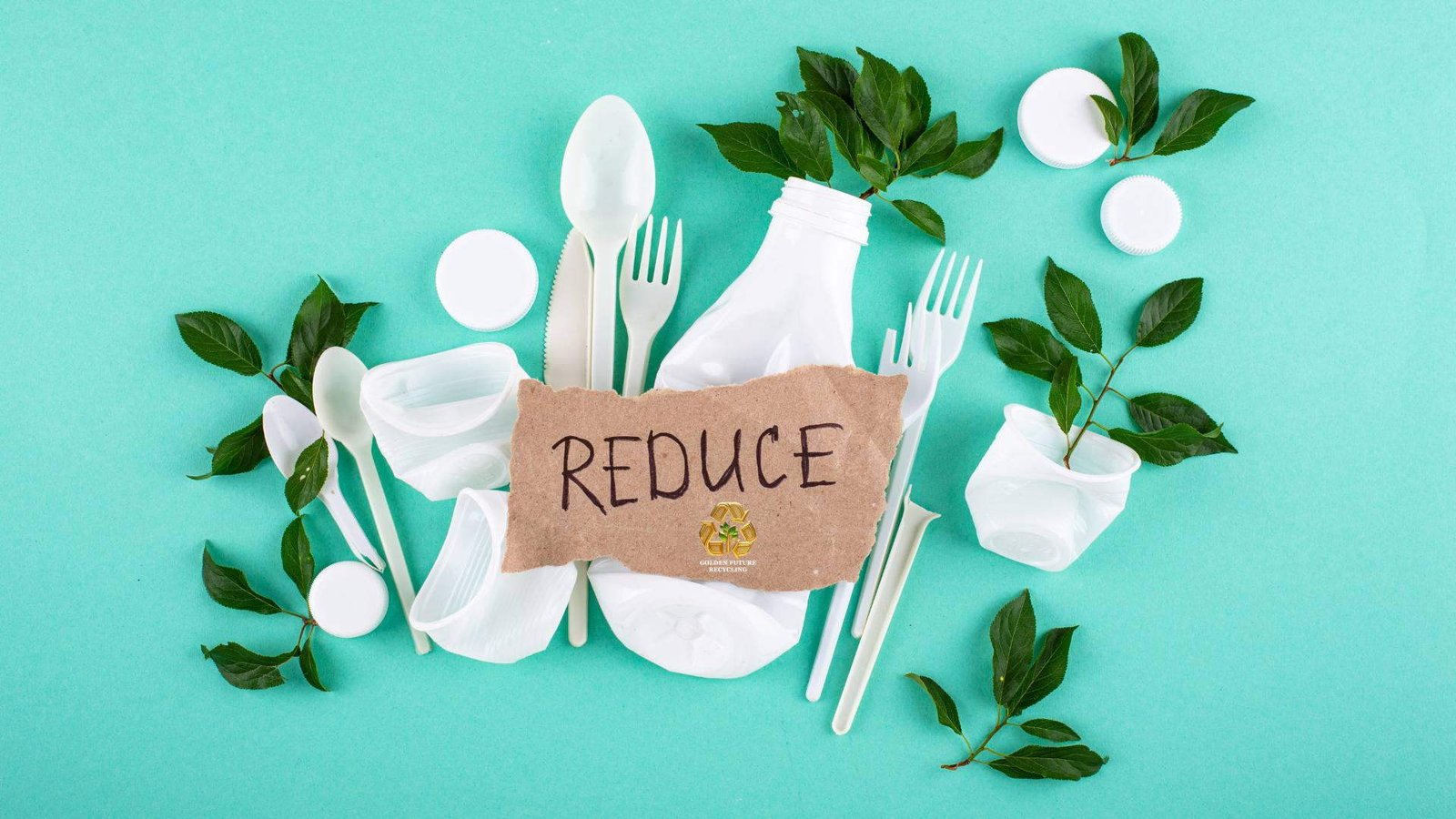
1. Reduce Unnecessary Waste
Think before using disposable products. Where safe drinking water and suitable refill facilities are available, consider using a reusable bottle designed for repeated use.
Reducing unnecessary waste is an important part of responsible consumption.
2. Reuse Items When Possible
School bags, lunch boxes, stationery, and other useful items should be kept in good condition and used for as long as practical.
Reusing products can reduce the need to replace them frequently.
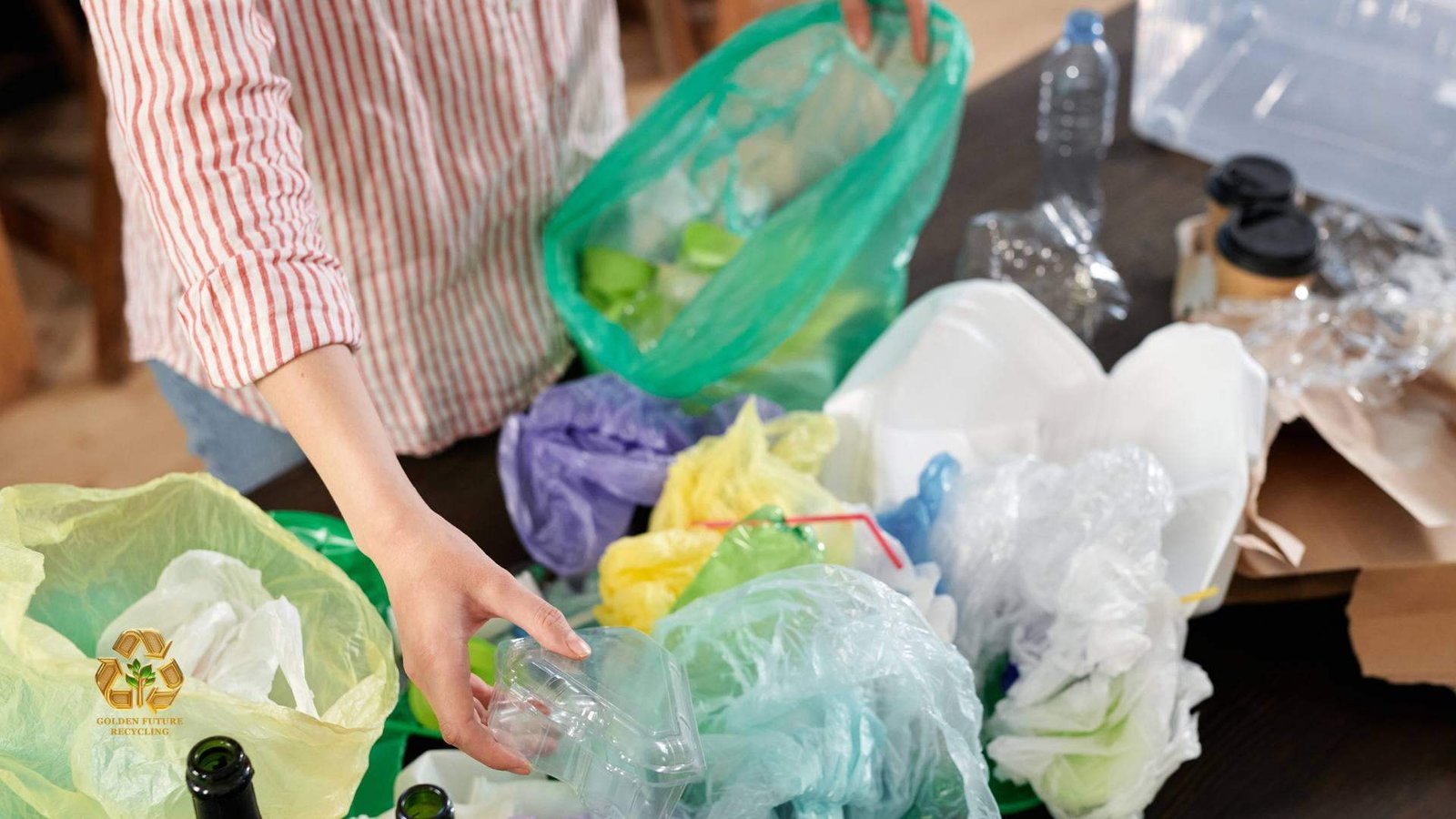
3. Separate Recyclable Materials
Keep recyclable materials separate from food waste and other rubbish.
Clean separation can make collection and recycling easier. Food contamination can reduce the quality of recyclable materials and make processing more difficult.
4. Use the Correct Recycling Bin
Always check the instructions on a collection bin before placing an item inside it.
A bin intended for PET bottles may not accept every type of plastic. Following the collection rules helps prevent contamination.
If students are unsure where an item belongs, they should ask a teacher or another responsible adult.
5. Prevent Litter
If there is no suitable bin nearby, keep the empty bottle with you until you find an appropriate place to dispose of it.
Never leave bottles or other rubbish on streets, beaches, in wadis, or in other public areas.
6. Share Environmental Knowledge
Students can discuss recycling with their parents, brothers, sisters, and friends.
Sharing what they learn at school can encourage better habits at home and throughout the community.
These actions demonstrate that environmental responsibility is not limited to recycling companies. Every individual can contribute.
Sustainability and the Circular Economy
The event also introduced students to sustainability and the circular economy.
Sustainability means meeting our needs today while protecting the ability of future generations to meet their own needs.
People depend on resources such as water, energy, and raw materials. Protecting these resources helps support a healthier environment for future generations.
Students were encouraged to consider simple ways to support sustainability, including saving water, switching off unnecessary lights, reducing waste, and using materials responsibly.
The session also explained the idea of a circular economy.
In a circular economy, products and materials stay in use as long as possible. People do this through reuse, repair, and recycling.
This approach aims to recover value from existing materials. It reduces reliance on new resources and cuts waste after use.
PET recycling supports this approach by helping turn used bottles into raw material for further manufacturing.
The event showed how individual actions and industrial recycling can work together. Correctly sorting a bottle at school or home helps it reach a recycling facility and start a new life.
A Seven-Day Recycling Challenge for Students
To help students use their knowledge, the presentation introduced a simple seven-day challenge at Pakistan School Muscat.
The challenge encouraged students to notice the waste they create. It asked them to avoid it, reuse it, or recycle it correctly.
During the seven days, students were encouraged to ask themselves three questions:
- Could I have avoided creating this waste?
- Could I reuse this item?
- Does this item belong in a recycling bin?
Students can also work with teachers to track PET bottles collected at school and measure progress, if the school has a proper collection plan.
The goal is to recover bottles that are already being used while encouraging everyone to create less waste.
The challenge also highlighted the important role of cleaning staff and waste collectors.
These workers help keep schools and communities clean. They also move waste to the right collection and disposal facilities.
Recognising their contribution is an important part of building a culture of environmental responsibility.
Golden Future Recycling's Commitment to Environmental Awareness in Oman
Environmental awareness and responsible waste management require cooperation between individuals, educational institutions, businesses, and recycling facilities.
Schools can help students understand environmental issues at an early age. Students can share these lessons with their families. Businesses can support appropriate recycling processes, while recycling facilities can recover materials that would otherwise be discarded.
The PET Recycling Awareness Event at Pakistan School Muscat brought these ideas together in an educational session.It focused on practical knowledge and everyday actions.
By explaining plastic types and PET recycling, the program helped students understand these topics. It also taught sustainability and how to separate waste correctly. Students learned how their choices affect the environment.
Golden Future Recycling LLC is committed to its specialised PET recycling operations in Oman.
Through education and outreach, the company wants more people to see the value of used PET bottles. It also wants to show why responsible collection matters.
The event also reinforced an important principle: recycling works best when everyone understands their role.
Together for a Cleaner and More Sustainable Oman
The PET Recycling Awareness Event held at Pakistan School Muscat on 15 October 2026 highlighted the importance of environmental education and student participation.
Led by Amir Bahman, the session helped students learn about plastic types and recycling. Students also learned about PET processing, waste separation, sustainability, and the circular economy.
The message was simple.Cut unnecessary waste.Reuse items when you can.Separate recyclable materials.Always use the correct bin.
These small actions can support better waste management when practised consistently by individuals, schools, families, and communities.
Golden Future Recycling thanks the Board Members, school management, teachers, and students at Pakistan School Muscat. We appreciate their warm welcome and active participation.
Together, through education and responsible action, we can build cleaner communities. We can also support a more sustainable future for Oman.


How Omani Families Are Shaping a Sustainable Future | Recycling
[…] Waste Separation in Muscat, How Families Can Help […]
Recycling Awareness Event in Muscat - Golden Future Recycling
[…] Waste Separation in Muscat, How Families Can Help […]