

How can we help you?
recyclinggoldenfuture.com

Are you ready for coffee?
Ghala industrial zone, way No. 266 No 1.A.3148, Muscat, OmanIntroduction
In a world striving for sustainability, PET plastic recycling plays a vital role in reducing waste and conserving resources. However, polyethylene terephthalate (PET) is widely used in packaging, especially for bottles and containers.
Therefore, recycling PET not only reduces environmental impact but also conserves valuable resources. At Golden Future Recycling, we specialize in transforming PET waste into high-quality granules. As a result, these granules fuel eco-friendly manufacturing processes across various industries.
In this blog, we will explain PET plastic recycling and its benefits. We will also outline the steps involved. We will highlight industries that use recycled PET granules.
In this blog, we’ll explore why PET recycling matters, how the process works, and which industries use recycled PET granules.
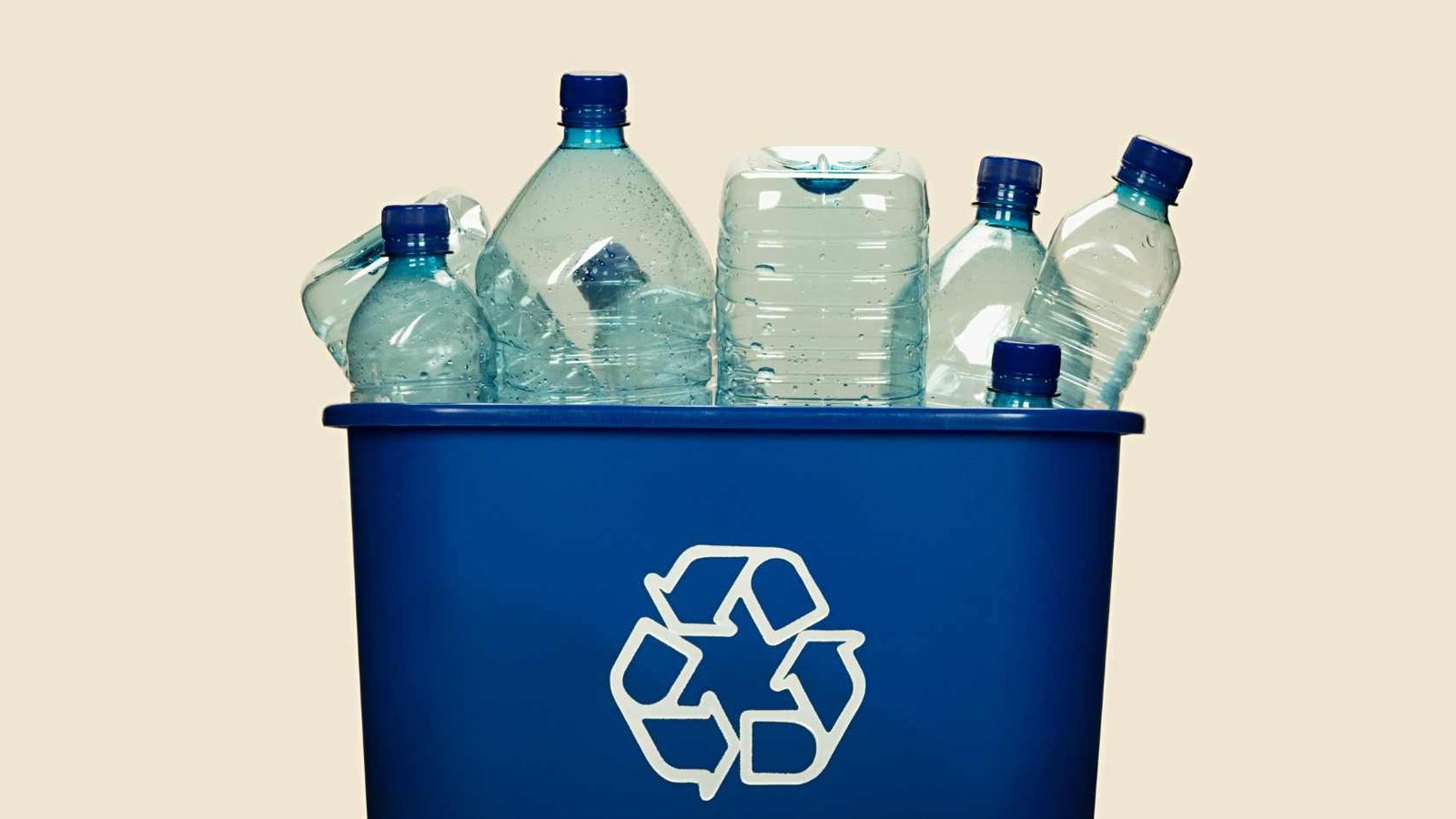
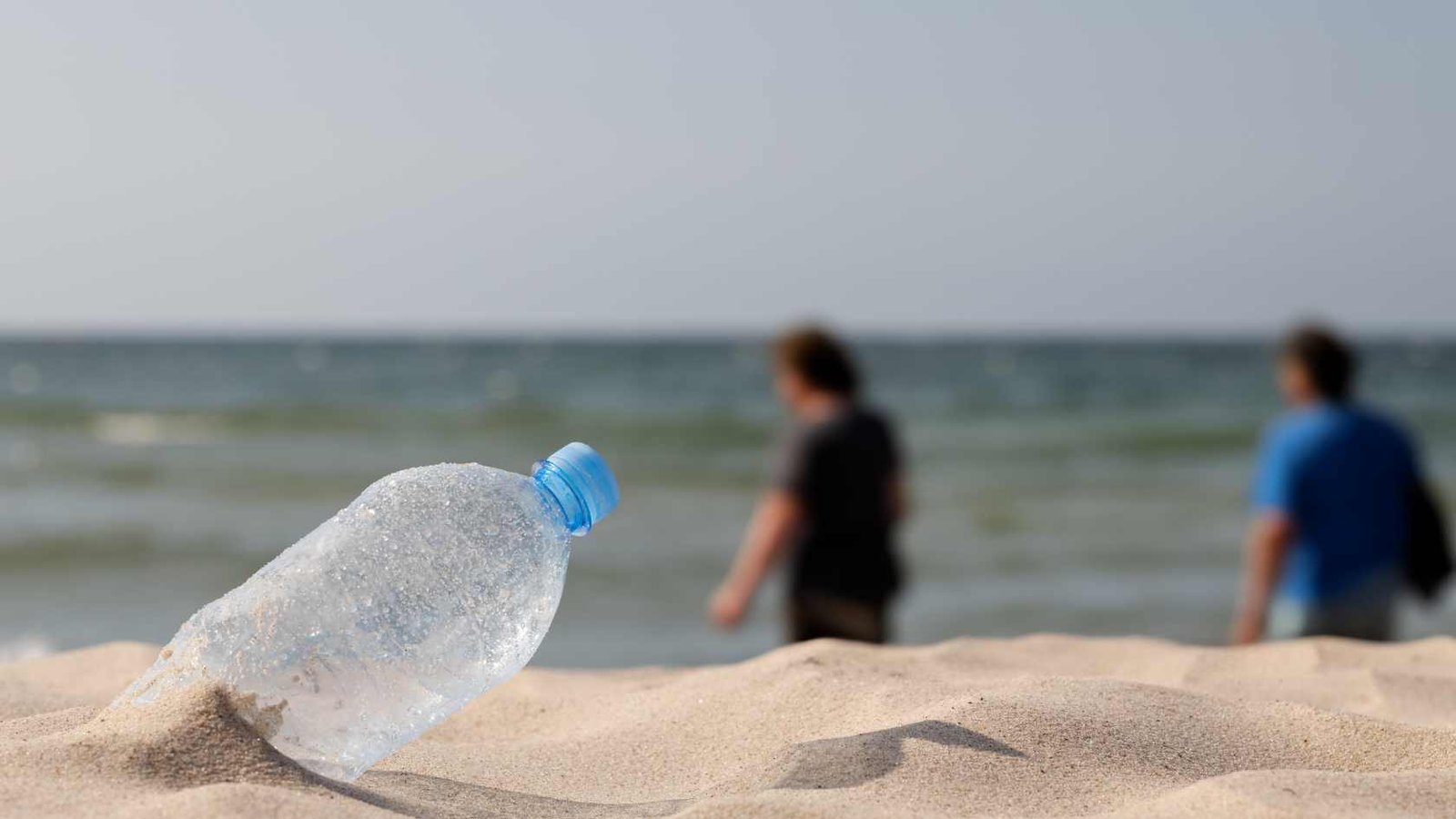
PET is a lightweight, durable, and recyclable polymer extensively used in the packaging industry.
Unfortunately, many industries still discard vast amounts of recyclable PET into landfills and oceans, threatening the environment. Recycling PET provides significant benefits. For example, it minimizes waste, conserves valuable resources, and promotes a circular economy.
The PET recycling process recovers and reuses PET waste efficiently. Here’s how Golden Future Recycling carries out this process:
Collection
We collect PET plastic from households, industries, and landfills. This initial step is essential because it determines the efficiency and quality of the recycling process.
Sorting
Our team sorts PET waste by type, color, and contamination level. We use advanced technologies, such as optical scanners, to make this process accurate and efficient.
Cleaning and Shredding
The team thoroughly cleans the PET plastic to remove labels, adhesives, and impurities. After cleaning, they shred the plastic into small flakes, making it easier to process.
Processing into Granules
Our facility melts the shredded flakes and reprocesses them into uniform granules. These granules, known for their high quality and purity, are ready for use in various industries.
Quality Control
Before shipment, we conduct rigorous tests on every batch of granules. Our quality checks ensure that the granules meet all industry standards for performance and sustainability.
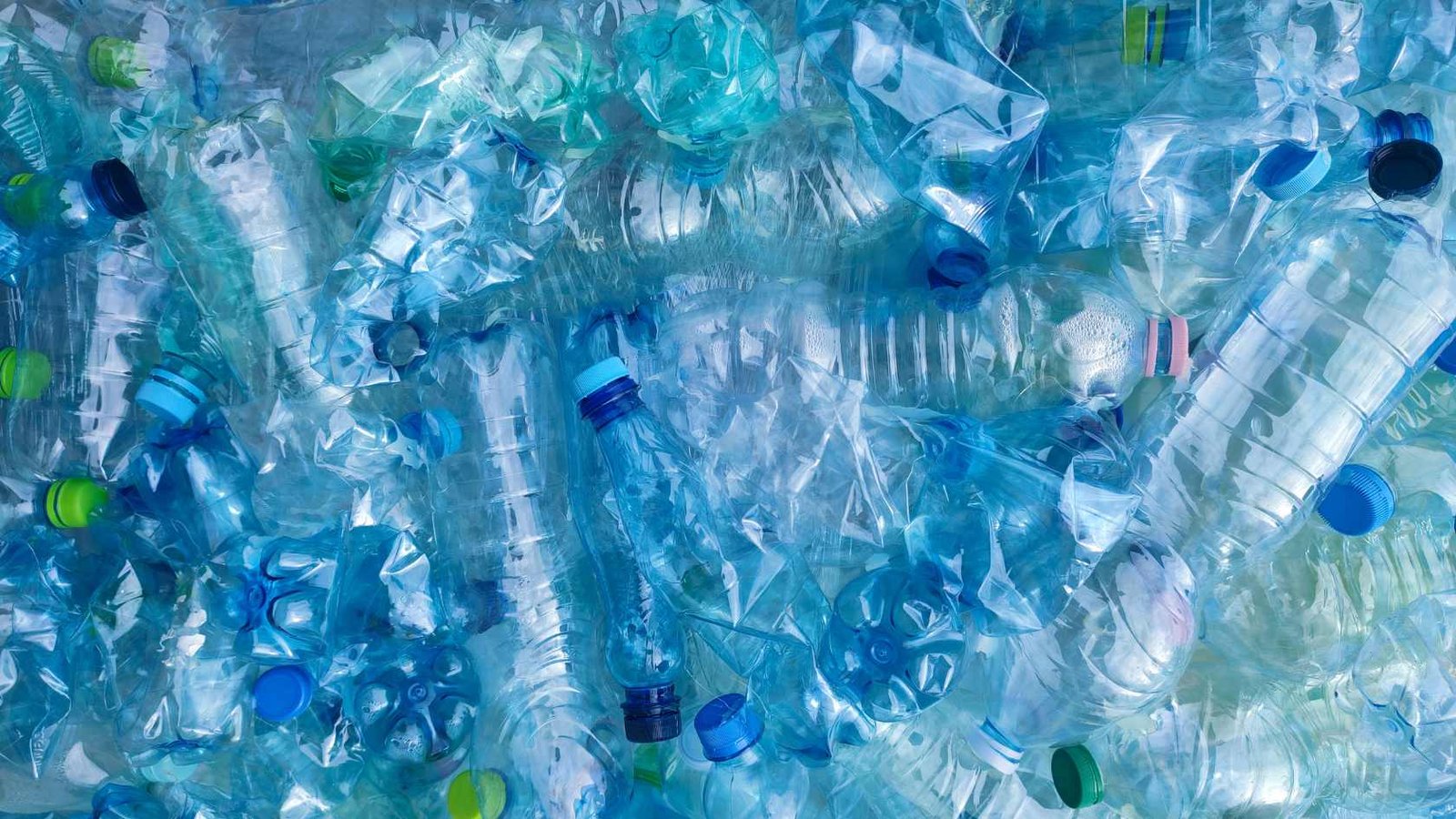
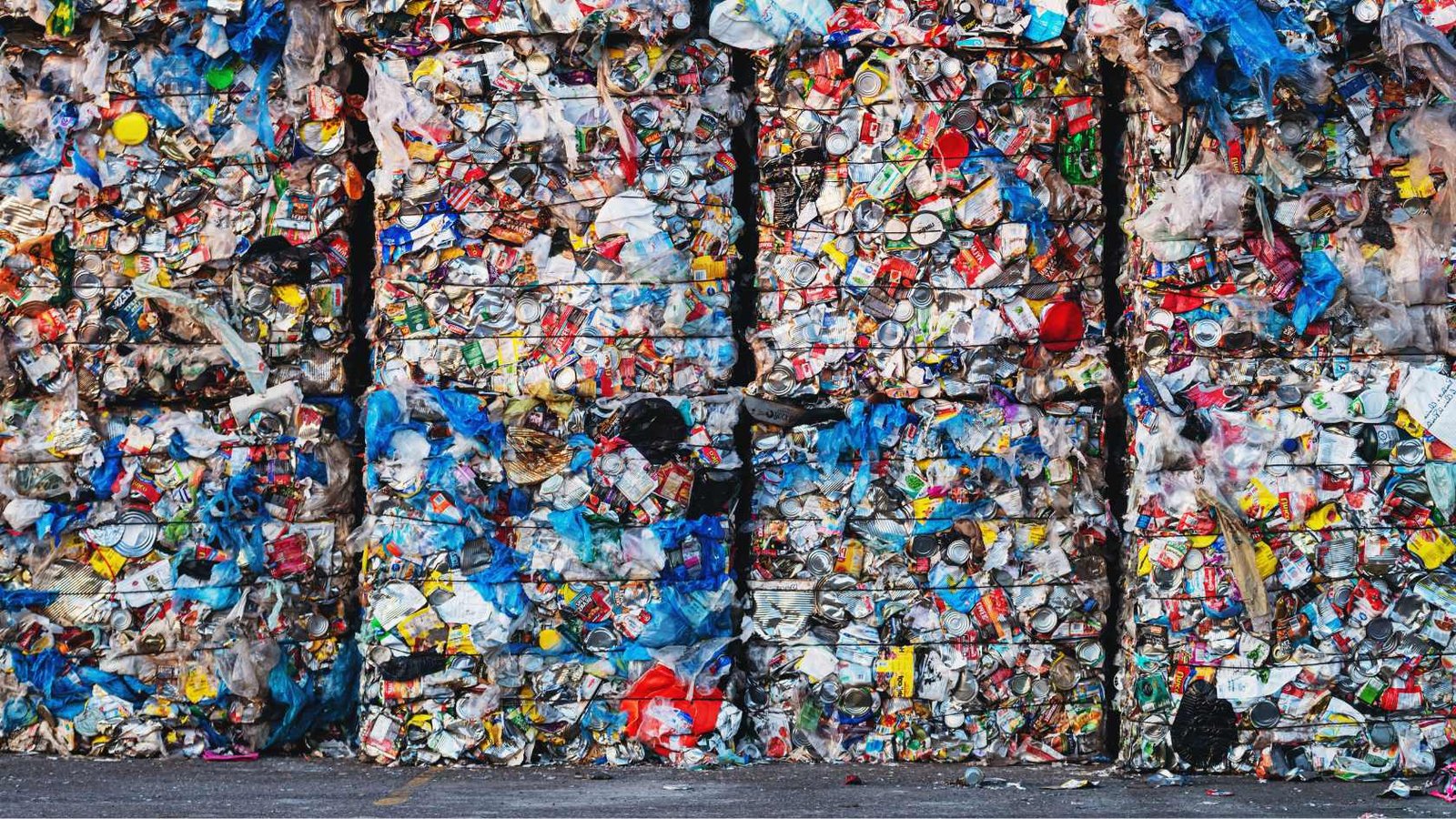
Recycled PET granules have versatile applications across multiple industries. Key sectors benefiting from these materials include:
Manufacturers use recycled PET granules to produce bottles, containers, and other packaging solutions. This reduces dependency on virgin plastic, making the packaging process more sustainable.
Textile manufacturers use polyester fibers made from recycled PET in clothing, upholstery, and industrial fabrics. This promotes sustainable fashion and manufacturing.
The automotive industry incorporates recycled PET into car interiors, seat covers, and insulation. This helps the industry reduce its environmental footprint and increase sustainability in production.
We also supply recycled PET to the construction sector, where manufacturers use it to produce lightweight and durable materials.
These include insulation and composite panels.
Mechanical recycling is the most established way to process PET packaging today. PET is a lightweight, clear plastic used for water bottles and food trays. Unlike chemical recycling, it physically changes the material without breaking it into molecules. This makes it faster, cheaper, and easy to scale.
The process begins by collecting post-consumer waste—packaging that households or businesses have used and thrown away. Once sorted, the material is washed, shredded, and melted into uniform PET pellets. These recycled pellets can then re-enter production lines as raw material for new products.
Size and shape of the incoming packaging play a critical role. Irregular or oversized formats can disrupt sorting lines, reduce washing efficiency, and lower the quality of the final pellets. Standardised formats perform significantly better throughout the recycling chain.
When recycled pellets are used to make new PET bottles, the system achieves bottle-to-bottle recycling. This is the gold standard for a true closed loop. In this model, a used bottle becomes a new bottle. This reduces reliance on virgin plastic and cuts carbon emissions across the supply chain.
Achieving a fully closed-loop system at scale requires teamwork between packaging designers, waste collectors, recyclers, and brand owners. They must align to make PET packaging that is not only recyclable in theory, but also recycled in practice.
The environmental benefits of PET recycling are undeniable. Here’s how it contributes to a healthier planet:
At Golden Future Recycling, we take pride in offering sustainable and reliable PET recycling solutions. Here’s what sets us apart:
Here are some trends to watch:
The journey begins with collecting PET waste from multiple sources, such as:
Our team ensures the transportation of PET waste to our facility is efficient and eco-friendly.
We use specialized containers and trucks to minimize contamination during transit.
Upon arrival at our facility, trained workers meticulously sort the PET waste. Here’s how:
This ensures only recyclable PET enters the next stage, maximizing efficiency and output quality.
After sorting, the PET waste undergoes pre-washing to remove dirt, residues, and adhesives. This step includes:
Our recycling team then shreds the cleaned PET into uniform flakes with industrial shredders. This makes it easier to process later.
We subject the PET flakes to a rigorous cleaning process to eliminate any remaining contaminants.
Finally, we melt the cleaned PET flakes at controlled temperatures using special extrusion equipment. This creates high-quality recycled PET material.
Various industries use our PET granules as a high-quality recycled raw material.
Secure your supply today and boost your recycling or manufacturing efficiency.
Introduction
Sorting is the first and most crucial step in the recycling process for PET plastics. This step ensures that only high-quality PET materials are used for recycling, contributing to the production of superior recycled products. Proper sorting not only improves efficiency but also reduces contamination, which can compromise the quality of the final product.
PET plastics, commonly found in water bottles and food containers, are often mixed with other types of plastics and materials. Sorting separates PET from other materials like HDPE, PVC, and metal contaminants. This process ensures that the recycling stream remains uncontaminated, making the subsequent steps more effective.
Introduction
After sorting, PET plastics undergo the crushing process. This step is critical for breaking down large plastic items into smaller, manageable pieces, making them easier to handle in subsequent recycling stages.
How the Crushing Process Works
Equipment Used in Crushing
Modern recycling facilities use advanced crushers designed for PET plastics. These machines are equipped with features like noise reduction, energy efficiency, and dust control.
Advantages of Crushing
Introduction
Separation is a critical step that occurs after crushing. At this stage, the crushed PET materials are sorted into different components: labels, PET body, and polypropylene (PP) caps. This ensures that each material type is processed appropriately.
Separation Techniques
Why Separation Matters
Introduction
Washing is an essential step that ensures PET materials are free of contaminants, such as dirt, glue, and food residues. A thorough cleaning process improves the quality and safety of recycled PET products.
Steps in the Washing Process
Technologies Used
Modern washing lines include high-speed friction washers, float tanks, and hot water systems, ensuring optimal cleanliness.
Benefits of Washing
Introduction
The hot wash stage takes cleaning to the next level by using heated water and detergents. This step is essential for removing stubborn contaminants, such as adhesives, oil residues, and greases, from PET materials.
How Hot Washing Works
Advantages of Hot Washing
Introduction
Quality control is the final stage before converting PET waste into reusable products. This step ensures that the recycled materials meet the highest standards, providing customers with reliable and safe products.
Quality Control Procedures
Importance of Quality Control
Introduction
After completing all previous steps, recycled PET materials are transformed into final products such as granules, plastic sheet rolls, or polyester. These materials are ready for use in manufacturing a wide range of products.
Manufacturing Processes
Applications of Recycled PET Products
Environmental Benefits
I hope you found this article on “Discover the process and benefits of PET plastic recycling” both informative and engaging.
If you have any questions or would like to request a quote for a product, feel free to contact us. We will respond promptly.
I understand that my data will be hold securely in accordance with the privacy policy.
Are you ready for coffee?
Ghala industrial zone, way No. 266 No 1.A.3148, Muscat, Oman