Waste Segregation Training in Oman
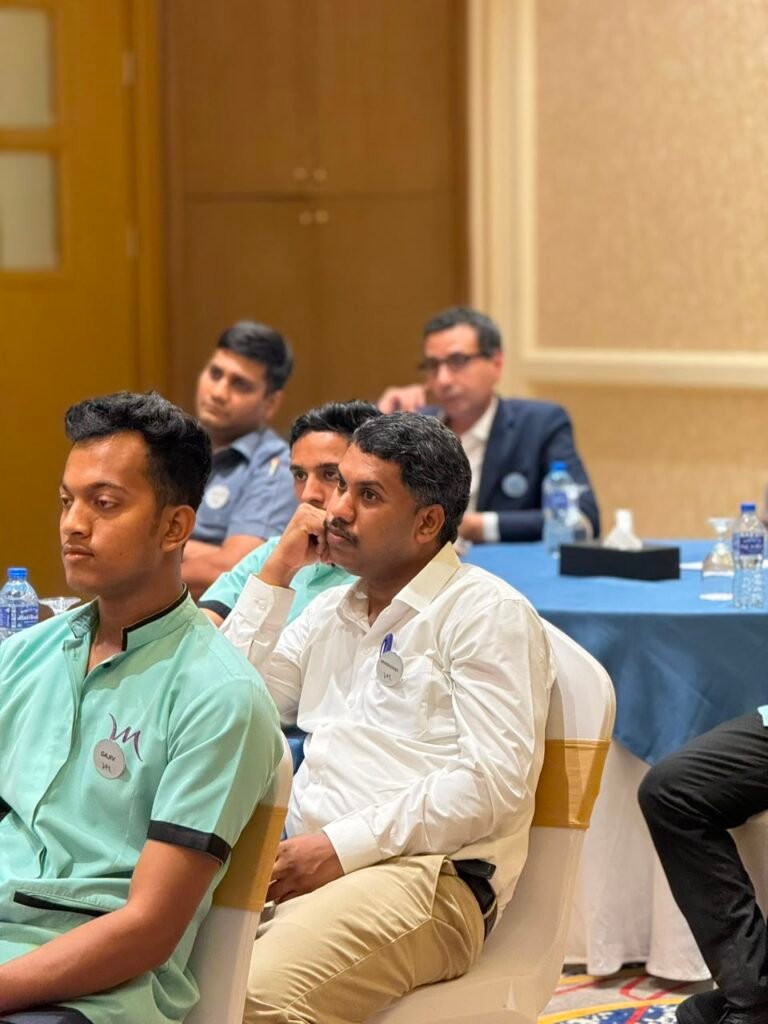
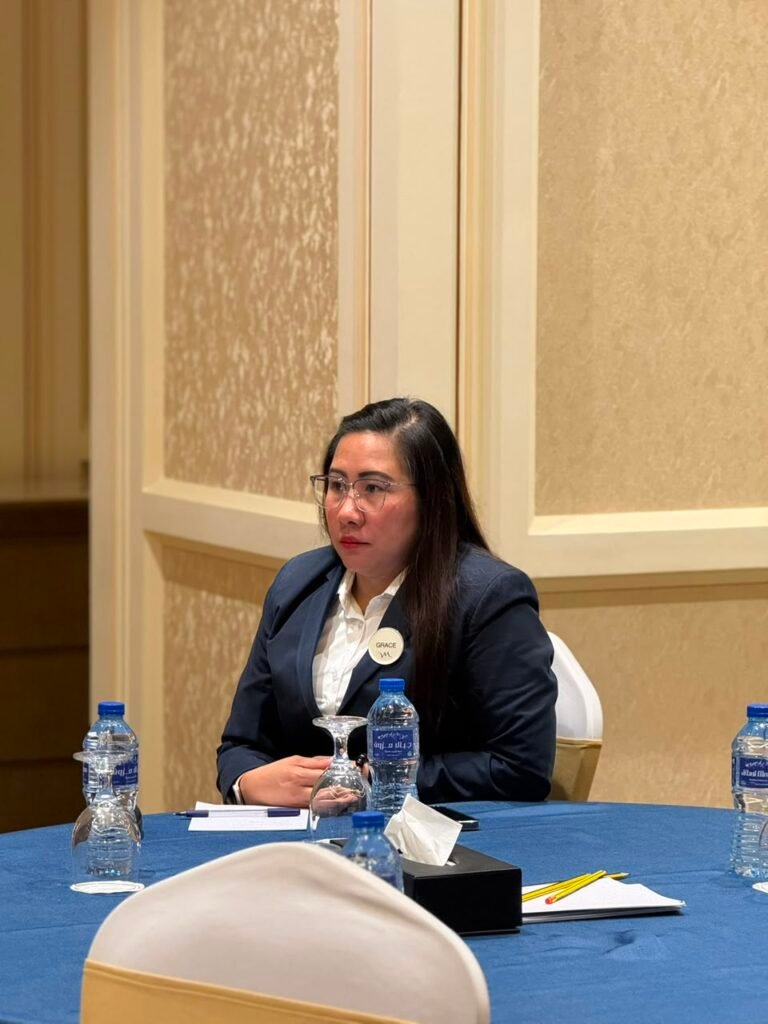
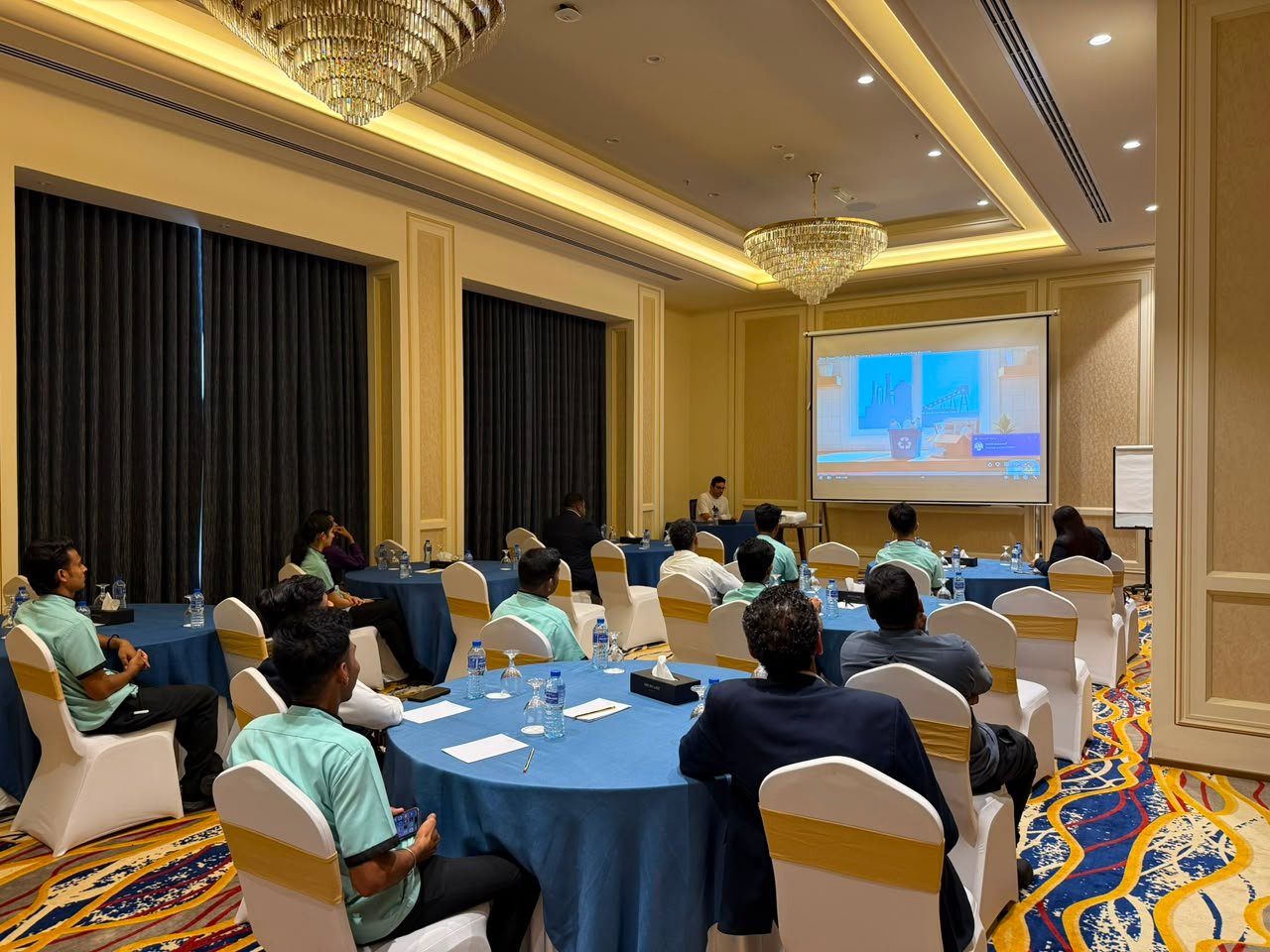
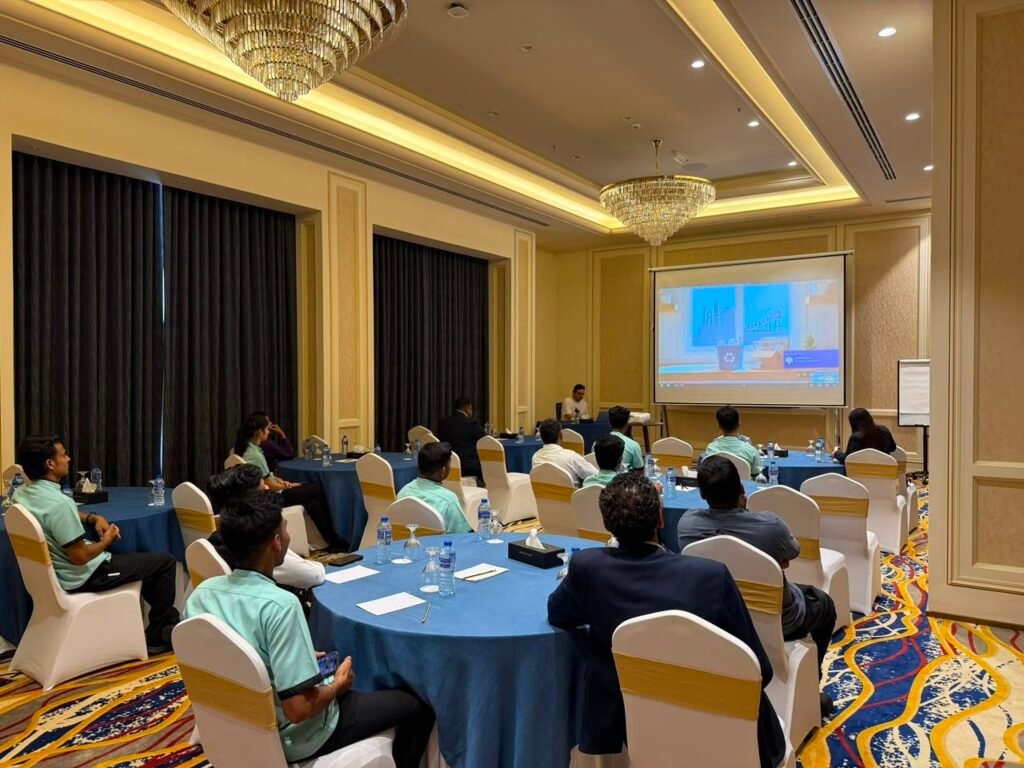
A waste segregation training event was recently held at Mercure Muscat. It aimed to raise employee awareness of responsible waste management and recycling practices.
Amir Rizvandi led a short-term training session. It taught hotel staff how to identify, separate, and dispose of waste from daily operations.
During the event, employees learned that successful recycling begins with correct waste segregation.
When people sort recyclable materials correctly where they throw them away, the materials stay clean and usable. This makes them more likely to be picked up and recycled.
However, plastic, paper, cardboard, metal, or glass can mix with food waste, liquids, and other trash.When that happens, these materials can become contaminated.
This makes these materials harder to recycle.
The training provided participants with practical and understandable information that can be applied in different areas of the hotel.
It also highlighted the important role employees play in building a more organized and environmentally responsible waste management system.
Raising Waste Management Awareness Among Hotel Employees
Hotels generate several types of waste through their daily operations. Guest rooms, restaurants, kitchens, offices, meeting rooms, housekeeping departments and storage areas may each produce different categories of recyclable and non-recyclable materials.
For this reason, employees need clear information about how different types of waste should be handled.
Even when recycling containers are available, a waste segregation system will not work well. People must understand what belongs in each container.
The training held at Mercure Muscat was designed to improve this understanding.
Employees learned the basic rules of waste separation.They also learned why it matters to check each item before disposal.
Participants learned to ask if an item is recyclable.
They also learned to check for food or liquid residue.They learned which waste category fits each item.
These simple decisions can have a significant effect on the quality of collected recyclable materials.
The session demonstrated that waste segregation is not only the responsibility of a cleaning or housekeeping team.
Every employee who handles, uses or disposes of a material has a role in supporting the process.
Why Is Waste Segregation Important?
Waste segregation refers to separating different categories of waste before they are collected for recycling, treatment or final disposal. This is one of the most important stages of effective waste management.
When recyclable materials are mixed with general or organic waste, they may lose their recycling value. For example, clean paper or cardboard can become unsuitable for recycling if it is contaminated by food, oil or liquids. Plastic bottles and metal cans may also create sorting difficulties when they are disposed of incorrectly.
Separating waste at its source helps keep recyclable materials cleaner and makes their collection and processing more efficient. It can also reduce the quantity of recyclable materials that are unnecessarily sent for general disposal.
The Mercure Muscat training explained these principles in a way that was relevant to the hotel working environment. Rather than presenting waste management only as an environmental concept, the session connected it with the daily responsibilities of employees.
This practical approach allowed participants to understand how individual actions contribute to the effectiveness of the overall waste segregation system.
Types of Waste Covered During the Training
The employees participating in the event were introduced to common categories of waste that may be generated within workplaces and hospitality facilities.
These categories can include plastic bottles and containers, paper, cardboard, metal cans, glass, food waste, and nonrecyclable general waste.
Understanding the difference between these materials is essential because each category may require a different collection or disposal method. Clear separation also reduces the likelihood that recyclable materials will become mixed with unsuitable waste.
Plastic items should be checked before disposal, because not all plastics are handled the same way.
Paper and cardboard should generally be kept dry and free from food contamination.
Before tossing bottles and containers in the right bin, make sure they’re mostly empty.They should not have leftover liquid or food inside.
The session also explained that employees should follow the waste management instructions established for their workplace. Clear labels and consistent waste categories can make the process easier for everyone and reduce confusion.
Applying Waste Segregation in Hotel Operations
The hospitality industry needs a practical way to sort waste. Different hotel departments create different kinds of waste. They also produce different amounts of waste.
Housekeeping employees may handle plastic bottles, product packaging and materials collected from guest rooms. Restaurant and kitchen personnel may deal with food waste, containers, cans and glass bottles.
Administrative teams may produce paper, cardboard, and other office-related packaging materials, whereas receiving and storage departments may manage larger volumes of boxes and product wrapping.
Because each department has different activities, employees need to understand the waste categories most relevant to their responsibilities. A single general instruction may not address every operational situation.
Waste segregation training helps employees connect environmental awareness with the materials they encounter in their own working areas. It also provides a shared foundation that enables different departments to follow a more consistent system.
When employees use the same waste categories, recycling is cleaner and more organized.When they know what each container is for, they sort recyclables correctly.
Training Delivered by Amir Rizvandi
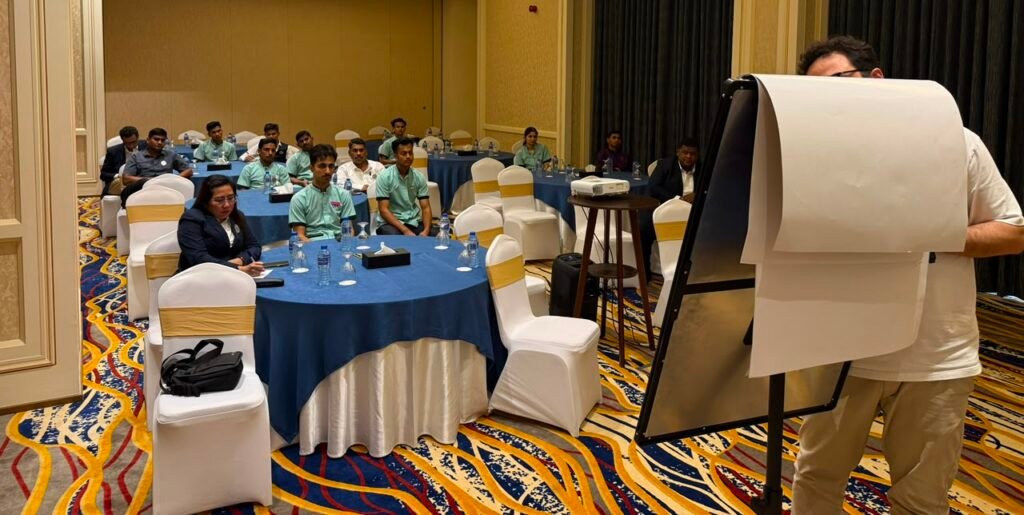
The waste segregation training at Mercure Muscat was delivered by Amir Rizvandi. During the session, he explained the principles of recycling, waste separation and responsible disposal using clear and practical examples.
The objective was to make waste segregation easier to understand and apply. Participants were encouraged to recognise that environmental responsibility is not limited to major projects or complex technologies. It also includes small decisions that employees make throughout the working day.
Amir Rizvandi highlighted the importance of separating waste correctly from the moment it is generated. Correct sorting at this stage can prevent contamination and support the later collection and recycling process.
The training also reinforced the idea that cooperation is essential.
Management may offer policies, recycling bins, and work procedures, but employees make the system work each day.
Turning Training into Daily Practice
The long-term value of waste segregation training depends on how employees apply the information after the event. Awareness represents the first step, while consistent daily behaviour creates meaningful improvement.
Hotel employees can support this process by using the right containers.They should keep recyclable materials separate from food waste.
They should also follow the hotel’s internal waste-disposal procedures.
They can also report unclear signs, incorrectly positioned containers or recurring sorting problems.
Clear signage is particularly important in a workplace where different teams use the same facilities. Waste containers should be easy to identify, and their labels should clearly show which materials are accepted.
Regular reminders can reinforce the information presented during training. Observing common mistakes can also help an organisation identify where employees may require additional guidance.
Waste segregation should gradually become part of normal working procedures rather than an occasional environmental activity. When correct sorting becomes a habit, employees can perform it naturally as part of their daily responsibilities.
Supporting Sustainable Hospitality in Muscat
Environmental awareness is becoming increasingly relevant to organisations across different sectors, including tourism and hospitality. Hotels interact with employees, guests, suppliers and service providers, giving them an important position from which to encourage responsible environmental practices.
Waste segregation training can help hotels connect sustainability objectives with actual workplace behaviour.
It gives employees the knowledge to take part in waste management, instead of leaving it to one department.
The event at Mercure Muscat demonstrated that even a short and focused training session can introduce valuable environmental knowledge. Employees gained a better understanding of recyclable materials, contamination risks and the importance of correct waste separation.
Workplace training may also create benefits beyond the organisation.
Employees who understand waste sorting can use the same ideas at home. They can share this knowledge with their families and communities.
Building a Culture of Responsible Waste Management
The waste segregation training at Mercure Muscat was a positive step. It helped build environmental awareness among hotel employees. Amir Rizvandi led the session. Participants learned how proper waste separation supports recycling. They also learned it improves the management of materials from hotel operations.
The event emphasised that responsible waste management begins with individual action. Each plastic bottle you sort correctly helps keep recycling streams clean. Each metal can you sort correctly also helps maintain clean, high-quality recycling.
Every sheet of paper you sort the right way helps keep recycling clean.
Each glass container you sort correctly helps keep recycling clean. Each cardboard box you sort correctly helps keep recycling clean.
Although one training session cannot address every waste management challenge, it can establish the knowledge required for continuous improvement. It encourages employees to review their disposal habits, follow correct procedures, and understand the environmental impact of their choices.
By investing in employee awareness and hands-on waste sorting training, hotels and other organizations can support cleaner workplaces. They can also promote responsible resource use and stronger environmental involvement.
The Mercure Muscat event demonstrated that meaningful environmental progress can begin with clear information, employee cooperation and simple actions repeated consistently. Waste segregation starts at the point of disposal, and every employee plays an important role in making it work.